Breaking the Cycle: How Executive Rehab Tackles Burnout and Addiction Together

For high-level executives, CEOs, and entrepreneurs, the line between success and self-destruction can be dangerously thin. The pressure to lead, meet deadlines, close deals, and constantly perform at the highest level often leads to chronic stress and burnout. In many cases, this prolonged stress triggers unhealthy coping mechanisms, including alcohol, stimulants, or prescription drug use. Over time, what starts as a way to stay productive or unwind becomes a vicious cycle of burnout and addiction.

Executive rehab programs are designed to break this cycle. Unlike traditional treatment centers, these specialized facilities recognize that addiction among high achievers often stems from work-related stress and exhaustion. They offer comprehensive care that addresses both burnout and substance abuse simultaneously, creating a path to real recovery.

Understanding the Burnout-Addiction Connection

Burnout is more than just feeling tired—it’s a state of emotional, mental, and physical exhaustion caused by prolonged stress. Executives are particularly vulnerable due to the constant demands of leadership. Burnout often manifests as:

  • Chronic fatigue
  • Anxiety and depression
  • Loss of motivation
  • Feelings of isolation
  • Poor decision-making

To combat these symptoms, many leaders turn to alcohol, prescription medications like benzodiazepines or stimulants, or other substances to push through the day. Unfortunately, this leads to dependency, compounding the stress and creating a destructive cycle that is difficult to break without professional help.

How Executive Rehab Programs Address Both Issues

Executive rehab centers offer specialized treatment plans that focus on the root causes of addiction, including burnout, stress, and leadership pressure. Here’s how they approach the problem:

1. Comprehensive Assessments

Treatment begins with a full evaluation of the client’s mental, physical, and emotional health. This helps clinicians develop a personalized care plan that addresses both substance use and the underlying stressors that fuel it.

2. Stress and Burnout Management

Executives are taught healthier ways to cope with stress. Through therapy, mindfulness practices, and resilience coaching, they learn how to set boundaries, delegate tasks, and manage high-stakes environments without self-destructive behaviors.

3. Tailored Therapy and Coaching

Individual therapy sessions focus on trauma, anxiety, perfectionism, and the intense pressure to succeed. Leadership coaching is often included to help clients rebuild their confidence and return to work with a healthier mindset.

4. Flexibility and Privacy

These programs are designed with the executive lifestyle in mind. Clients have access to private workspaces, secure internet connections, and flexible scheduling so they can stay involved in essential business matters during treatment—without compromising their recovery.

5. Holistic Healing

Burnout recovery is not just mental—it’s physical. Executive rehab programs include fitness training, yoga, meditation, nutritional guidance, and sleep therapy to restore overall health and vitality.

The Long-Term Solution

Executive rehab is not just about detoxifying from substances—it’s about breaking the cycle of burnout and addiction for good. By treating both issues together, executives can return to their roles with renewed energy, improved decision-making, and a sustainable work-life balance.

Conclusion

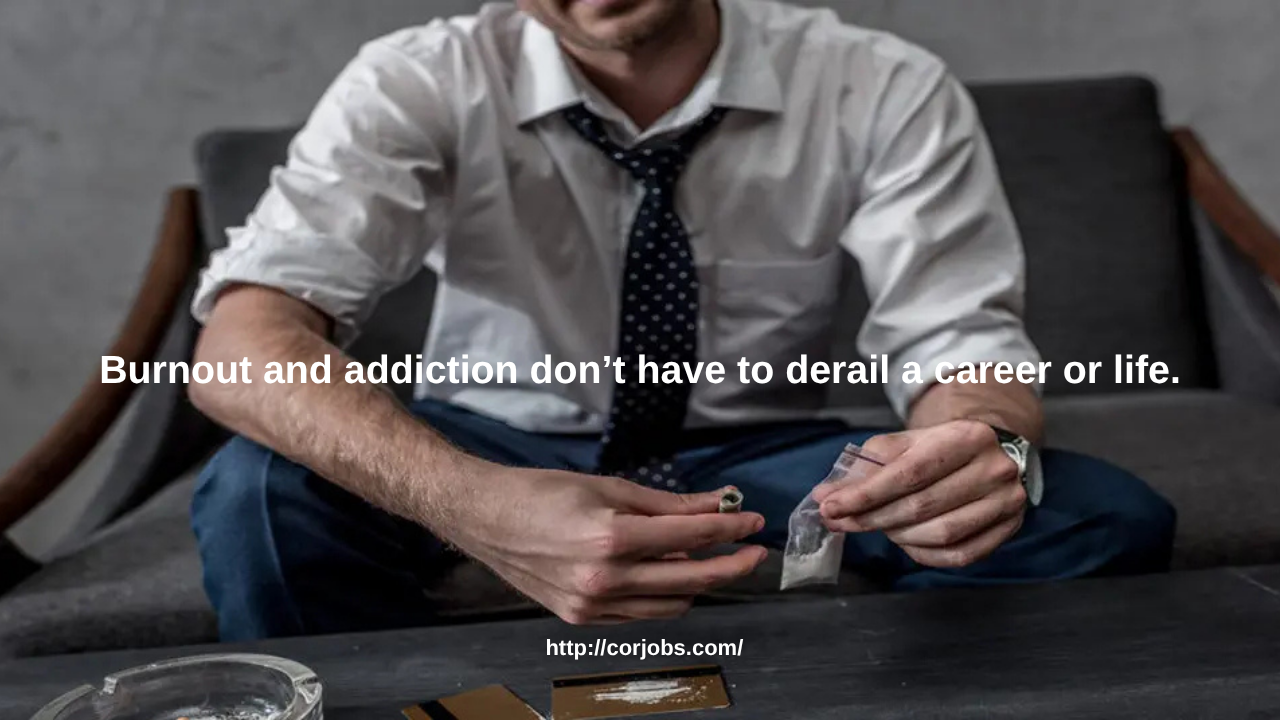
Burnout and addiction don’t have to derail a career or life. With the right support, executives can heal, recover, and lead from a place of strength and clarity. Executive rehab programs provide the tools to do just that—helping leaders break free from the cycle and build a healthier futur

Success Without Substance: The Role of Executive Rehab in Leadership Recovery

Behind the polished appearance of success, many business leaders and high-powered professionals silently battle personal struggles. Addiction and mental health challenges do not discriminate by status or income—and for CEOs, executives, and entrepreneurs, the pressure to perform can sometimes lead to dangerous coping mechanisms. Alcohol, prescription medications, and stimulants become tools to push through stress, long hours, and isolation. However, true leadership and sustainable success require clarity, health, and balance. This is where executive rehab plays a vital role in helping leaders rediscover their strength without relying on substances.

The Hidden Cost of Leadership

Leadership at the highest level often means shouldering immense responsibilities. Executives are expected to make high-stakes decisions, lead teams, manage financial pressures, and maintain a constant image of control and success. Over time, this relentless demand can lead to chronic stress, burnout, anxiety, and eventually, substance use.

What starts as a drink to unwind after a long day or a stimulant to stay sharp in meetings can gradually evolve into dependency. Unfortunately, many executives delay seeking help out of fear—fear of damaging their reputation, losing investor trust, or showing perceived weakness. That delay only deepens the problem.

How Executive Rehab Supports Leadership Recovery

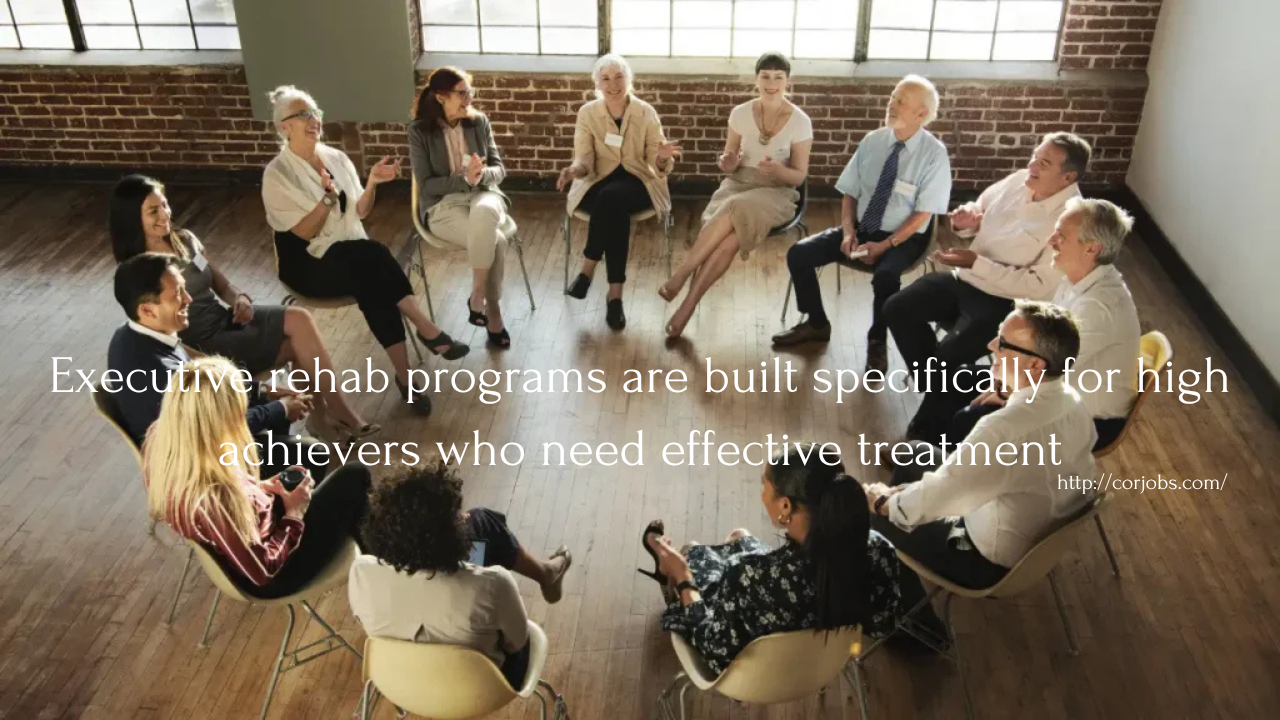
Executive rehab programs are built specifically for high achievers who need effective treatment without stepping away from their roles completely. These programs offer more than just sobriety—they offer restoration of leadership capacity, personal growth, and long-term tools for wellness. Here’s how:

1. Personalized and Discreet Treatment

Executive rehab facilities provide highly confidential environments, often in secluded and luxurious settings, ensuring privacy for clients. Treatment plans are tailored to the unique needs of leaders, taking into account the pressures and lifestyle that come with executive-level positions.

2. Flexible Integration with Work

Many leaders can’t afford to go off the grid for a month. Executive rehab centers understand this and offer flexible schedules, private workspaces, and secure internet access. This allows clients to stay connected with their teams while focusing on recovery.

3. Leadership-Focused Therapy

Beyond standard addiction treatment, executive programs often incorporate therapy that addresses issues specific to leadership—such as imposter syndrome, chronic stress, perfectionism, and decision fatigue. Clients work with therapists and executive coaches to build healthier ways to lead, cope, and thrive.

4. Whole-Person Healing

True recovery is about more than detoxing—it’s about healing mentally, emotionally, and physically. Executive rehab includes wellness strategies such as mindfulness, yoga, fitness programs, nutrition planning, and life coaching to promote long-term balance and clarity.

Redefining Success

Perhaps the most powerful outcome of executive rehab is a redefinition of success. Clients come to understand that peak performance does not require self-sacrifice or substance use. Real leadership is built on resilience, emotional intelligence, and the ability to make clear decisions under pressure.

Executive rehab equips leaders not only to overcome addiction but to return to their roles stronger, more grounded, and with a renewed sense of purpose. It proves that success doesn’t need to be fueled by substances—it can thrive on health, balance, and authenticity.

Conclusion

Executive rehab is more than a retreat from addiction—it’s a strategic investment in a leader’s long-term success. By offering discreet, customized care, these programs help professionals reclaim their lives, their leadership, and a version of success that’s no longer tied to substance use, but rooted in true well-being.

Private Jets and Personalized Care: The Ultra-Elite World of Executive Rehab

When high-ranking CEOs, celebrities, and political figures face addiction or mental health challenges, their journey to recovery often looks very different from the average person’s. For this ultra-elite clientele, the stakes are incredibly high—personally, professionally, and publicly. Privacy, discretion, and customized care are not just preferences but necessities. Enter the world of ultra-exclusive executive rehab, where recovery comes with concierge-level service, private jet arrivals, and individually tailored treatment plans.

The Need for Ultra-Exclusive Treatment

Top-tier professionals often live under intense pressure. Their lives are high-profile, highly scrutinized, and constantly on display. Admitting to a problem with substance use, burnout, or mental health can feel like risking everything—from their career to their reputation and even shareholder confidence.

Moreover, these individuals typically have access to immense resources and expect a level of care that mirrors the standards of their everyday lives. They need a space where they can heal without sacrificing dignity, privacy, or control. That’s where ultra-elite executive rehab centers offer a solution: discreet, luxury-focused environments that combine cutting-edge treatment with five-star service.

Arriving in Style: Private Jets and Secure Transport

For many clients, even getting to rehab must be discreet. Some executive programs offer private jet transport, complete with anonymous bookings and secure travel arrangements. Clients can avoid public airports, paparazzi, and media exposure entirely, arriving directly at secluded rehab estates via private runways or helicopter access.

This level of travel accommodation ensures that high-profile individuals can enter treatment with minimal disruption and maximum confidentiality—an essential feature for those whose names regularly appear in headlines.

Tailored Treatment, Concierge Style

Inside these ultra-luxury facilities, the experience feels more like a high-end resort than a traditional clinic. Each client receives a fully customized treatment plan based on their psychological profile, addiction history, lifestyle, and personal goals. Services may include:

  • One-on-one therapy with internationally renowned psychiatrists and addiction specialists
  • Medical detox under constant, discreet supervision
  • Executive coaching, leadership resilience training, and stress management
  • Holistic therapies like acupuncture, equine therapy, yoga, and guided meditation
  • Private chefs, nutritionists, and fitness trainers providing round-the-clock wellness support

Some programs even offer personal assistants, business concierge services, and secure internet access, so executives can continue handling critical work matters during their stay, without compromising their recovery process.

Luxury Meets Healing

These rehab centers are located in exclusive destinations—private Caribbean islands, remote alpine lodges, beachfront villas, and countryside estates. Clients enjoy amenities such as spa treatments, luxury suites, infinity pools, personal butlers, and gourmet dining.

But beneath the opulence lies serious clinical care. These programs invest heavily in advanced therapeutic methods, from EMDR for trauma recovery to neurofeedback for brain optimization. The goal is to heal not only the symptoms of addiction but also the deeper, often overlooked causes: isolation, trauma, and the chronic stress of high achievement.

Conclusion

In the ultra-elite world of executive rehab, privacy and personalization are paramount. From private jet access to bespoke treatment plans, these facilities provide a sanctuary where high-profile individuals can recover without compromise. While the setting may be luxurious, the mission is clear: helping leaders reclaim their health, rebuild their strength, and return to life with clarity and purpose.

Overcoming Burnout and Addiction: How Executive Rehab Programs Differ

In today’s high-pressure corporate world, burnout and addiction often go hand-in-hand—especially for top executives, entrepreneurs, and business leaders. The relentless demands of leadership, long hours, constant decision-making, and high expectations can wear down even the most resilient professionals. When unmanaged stress leads to substance abuse or mental health decline, recovery becomes not just necessary, but urgent. However, traditional rehab programs may not offer the discretion, flexibility, or customization that executives need. That’s where executive rehab programs come in—specially designed to help high-level professionals recover while maintaining their careers and confidentiality.

Understanding Burnout and Its Link to Addiction

Burnout is more than just fatigue—it’s a state of emotional, physical, and mental exhaustion caused by prolonged stress. For executives, burnout often stems from chronic overwork, lack of work-life balance, and the pressure to always perform. Symptoms include anxiety, depression, irritability, sleep disturbances, and a loss of motivation.

To cope with these feelings, many turn to substances—alcohol, stimulants, prescription medications, or other drugs—as a temporary escape or performance enhancer. Over time, what begins as stress relief can evolve into full-blown addiction, threatening both personal health and professional success.

Why Executive Rehab is Different

Unlike conventional rehab centers that follow a rigid, one-size-fits-all model, executive rehab programs are designed around the unique needs of high-performing individuals. These facilities recognize that executives need to recover without completely stepping away from their roles—and that their path to addiction may look very different from others.

Here’s how executive rehab programs stand apart:

1. Privacy and Confidentiality

Executives often fear the stigma and professional fallout of seeking treatment. Executive rehabs offer discreet environments—often in secluded, luxurious locations—where anonymity is guaranteed. Non-disclosure agreements, private accommodations, and confidential admissions processes ensure clients’ identities and reputations remain protected.

2. Flexible Scheduling

For many leaders, it’s unrealistic to disconnect from work completely. Executive rehab programs accommodate this by allowing limited business involvement. With secure Wi-Fi, private offices, and scheduled windows for calls or meetings, clients can stay in touch with their teams while prioritizing their recovery.

3. Customized Treatment Plans

Executive programs offer individualized care tailored to the client’s lifestyle, stressors, and mental health needs. Treatment typically includes one-on-one therapy, cognitive-behavioral therapy (CBT), trauma counseling, and coaching focused on resilience and emotional regulation. There’s a strong emphasis on addressing the root causes of burnout, not just the symptoms.

4. Integrated Wellness and Leadership Support

These programs blend traditional treatment with holistic wellness and leadership development. Services may include yoga, meditation, massage therapy, nutrition planning, and executive coaching—all aimed at restoring physical health, mental clarity, and emotional balance.

Long-Term Support for Sustainable Recovery

Executive rehab doesn’t end with a 30-day stay. Aftercare programs are essential for long-term success, offering ongoing therapy, peer support, and sober coaching tailored to the fast-paced executive lifestyle. These services help prevent relapse and support a smoother transition back into the corporate world.

Conclusion

Burnout and addiction are real threats to even the most successful professionals. But with the right support, recovery is not only possible—it can be transformative. Executive rehab programs provide a safe, effective, and respectful path to healing, helping leaders rebuild their health, renew their focus, and return to their roles stronger than ever.

Exclusive Rehab for High Achievers: Tailored Treatment for CEOs and Leaders

In the world of high achievers—CEOs, entrepreneurs, and corporate leaders—success often comes with a hidden burden. Behind the polished public image and professional accolades, many executives quietly battle stress, burnout, anxiety, or substance abuse. For these individuals, traditional rehabilitation programs may not meet their unique needs. That’s where exclusive rehab centers for high achievers step in, offering tailored, confidential treatment programs specifically designed to support the complex lives of top-level professionals.

Why High Achievers Need Specialized Treatment

Leaders and high performers face immense pressure every day. They carry the weight of company success, financial performance, investor expectations, and team management on their shoulders. These demands can result in chronic stress and unhealthy coping mechanisms—such as alcohol, prescription drugs, or even illicit substances—to maintain performance or escape the pressure.

Additionally, CEOs and executives often experience isolation. As the ones expected to always be in control, they may feel unable to show vulnerability or ask for help. This makes the path to recovery even more complicated. Standard rehab centers, with rigid schedules and group-based treatments, often fail to address the unique needs of this elite group.

What Sets Exclusive Rehab Programs Apart

Exclusive rehab for high achievers offers a different level of care—one that combines clinical excellence with privacy, personalization, and flexibility. These programs are designed to ensure that recovery doesn’t mean stepping away from responsibilities or sacrificing confidentiality.

Key features include:

  • Confidentiality and Discretion: Privacy is a cornerstone of executive rehab. Centers are often located in secluded, luxurious settings with private rooms, secure communication channels, and strict non-disclosure agreements to protect clients’ identities.
  • Tailored Treatment Plans: High achievers receive individualized care plans that address both the symptoms of addiction and the underlying causes—such as work-related stress, trauma, or perfectionism. Treatment may include one-on-one therapy, cognitive-behavioral therapy (CBT), mindfulness, and holistic modalities like yoga, nutrition, and physical training.
  • Work Integration: Unlike traditional rehab, exclusive programs often allow clients to continue working during their stay. Facilities provide private offices, Wi-Fi, and scheduled time for business obligations, ensuring that recovery doesn’t come at the cost of company operations.
  • Leadership Coaching and Stress Management: Beyond addiction recovery, executive programs help clients develop healthier leadership strategies, build resilience, and find balance between ambition and well-being.

A Healing Environment That Matches Their Lifestyle

The environments of these exclusive rehabs are as refined as their clientele. From oceanfront villas to serene mountain lodges, they offer luxury amenities such as gourmet meals, spa services, fitness centers, and personalized wellness plans. This comfortable, upscale setting helps executives focus fully on healing without the distractions or discomfort often associated with institutional care.

Long-Term Success Through Aftercare

Recovery doesn’t end when treatment does. Exclusive rehab programs provide long-term aftercare, including virtual therapy sessions, sober coaching, and support groups tailored to professionals. These services help high achievers maintain sobriety while navigating the demands of leadership.

Conclusion

For CEOs, entrepreneurs, and other high performers, exclusive rehab offers a lifeline—an opportunity to recover in a safe, supportive, and professionally accommodating environment. Tailored treatment not only helps them overcome addiction or mental health challenges but also empowers them to return to their roles with renewed clarity, strength, and purpose.

Can You Run a Business While in Rehab? The Executive Treatment Approach

For high-powered executives, the idea of taking time off for rehab can feel like an impossible choice. The thought of stepping away from the boardroom, leaving behind key projects, and potentially jeopardizing business success can cause immense stress. However, addiction and mental health challenges don’t take a break simply because someone holds a high-ranking position. Fortunately, executive rehab programs are designed to help business leaders recover while still managing their professional responsibilities, allowing them to balance their health needs with the demands of their careers.

The Dilemma: Balancing Rehab with Business Leadership

Running a successful business comes with constant demands and high expectations. For many executives, addiction or mental health issues are not only a personal struggle but also something that could impact their professional performance. This creates a dilemma: how can an executive focus on their recovery when their business requires constant attention?

Many executives may initially be hesitant to enter rehab due to fears of losing control over their company, damaging their reputation, or falling behind on critical business decisions. The reality is that addressing mental health and addiction is crucial to long-term success, both personally and professionally. Ignoring these issues could eventually lead to burnout, compromised decision-making, and a deteriorating work-life balance.

The Executive Treatment Approach: Flexibility and Privacy

The good news is that executive rehab centers are specifically designed to help leaders manage their recovery without completely abandoning their professional obligations. These programs offer a level of flexibility and privacy that traditional rehab centers simply cannot provide. Key elements of the executive treatment approach include:

  • Confidential and Discreet Care – Executive rehab centers are often located in remote, private settings such as luxury estates or secluded resorts to ensure confidentiality. These facilities cater to individuals who need to protect their reputation and avoid public scrutiny during the recovery process.

  • Personalized Treatment Plans – Executives receive treatment that’s tailored to their specific needs, combining addiction recovery with stress management and mental health support. The treatment program can include therapy, physical wellness, executive coaching, and mindfulness techniques, ensuring that clients address both the underlying causes of addiction and the stressors they face in their professional roles.

  • Flexible Scheduling – One of the key benefits of executive rehab is the ability to integrate treatment with work responsibilities. Many programs allow clients to continue their work while undergoing treatment, offering private offices, secure internet access, and time slots for meetings and calls. This ensures that the executive can stay connected with the business world while focusing on their recovery.

How Can Executives Stay Engaged with Their Businesses?

While in rehab, executives often fear that taking a step back will lead to chaos within their organizations. Executive rehab programs address this by offering ways to stay engaged, such as:

  • Virtual Meetings – Executives can attend meetings remotely and stay in communication with key staff and leadership teams.

  • Business-Specific Therapy – Treatment programs often include leadership coaching and stress management tailored to the executive’s role. This helps clients maintain clarity and effectiveness in their decision-making.

  • Time Management Strategies – Rehab programs teach executives how to manage their time effectively, allowing for personal reflection, treatment, and professional responsibilities.

Recovery as a Long-Term Investment

The executive approach to rehab is not about taking a quick fix or temporarily stepping away. It’s about making a long-term investment in health, well-being, and business success. By addressing addiction or mental health issues early on, executives can avoid the damaging consequences of burnout, substance abuse, and poor decision-making, ultimately leading to a more sustainable and successful career.

Many rehab centers also offer aftercare services to help executives reintegrate into their professional roles after treatment. These programs can include continued therapy, coaching, and support to ensure the executive can maintain their recovery while leading their business.

Conclusion

The question of whether an executive can run a business while in rehab is one that many leaders face. The answer is yes—executive rehab programs are designed to allow high-level professionals to address their health issues without abandoning their responsibilities. With the right combination of flexibility, privacy, and specialized treatment, business leaders can prioritize their recovery and return to their roles stronger, healthier, and better equipped to lead their organizations to continued success.

From the Boardroom to the Treatment Room: A Guide to Executive Rehab

The pressures of the boardroom can take a severe toll on an executive’s health and well-being. The responsibilities of managing a company, meeting demanding deadlines, and staying at the top of the game often lead to stress, burnout, and in some cases, addiction. When executives find themselves struggling with substance abuse or mental health issues, seeking help becomes a critical step. However, the unique challenges they face—high levels of responsibility, public scrutiny, and a relentless pace—require a different kind of care. This is where executive rehab comes in, offering tailored solutions that combine effective treatment with the privacy and flexibility executives need to continue performing at the highest level.

The Unique Challenges of Executive Rehab

For executives, the decision to seek treatment can be complicated. Unlike the average person, their professional identity is tied to their success, and admitting to a substance abuse problem or mental health disorder may seem like a career risk. Executives are often reluctant to take time off for rehab, fearing it will negatively impact their leadership roles or public image.

Moreover, the challenges executives face—such as isolation, intense pressure, and long hours—are often directly linked to their struggles with addiction. Traditional rehab centers may not be equipped to address these challenges or offer the level of privacy and flexibility that high-powered individuals need to recover while continuing to manage their careers.

What Sets Executive Rehab Apart?

Executive rehab centers are designed to meet the specific needs of high-level professionals. These programs offer a combination of discreet care, flexible treatment plans, and luxury amenities to ensure that clients can recover without sacrificing their professional responsibilities or reputations. Key features of executive rehab include:

  • Confidentiality – Executive rehab centers offer a high level of privacy, often located in remote areas such as private estates, resorts, or luxury hotels to prevent any unwanted attention. Many centers go as far as providing private entrances, individual accommodations, and non-disclosure agreements to protect the client’s identity.

  • Flexible Schedules – Executives often can’t afford to completely step away from their business duties. Many rehab programs allow clients to maintain some level of professional involvement, with flexible scheduling that includes private workspaces, high-speed internet, and the ability to take phone calls and attend virtual meetings.

  • Tailored Treatment Plans – Unlike general rehab facilities, executive rehab centers create customized recovery programs that address the unique pressures of leadership and corporate life. Treatment plans often incorporate therapy, stress management techniques, physical fitness, and leadership coaching to ensure holistic healing.

The Treatment Process

Executive rehab programs use a variety of therapeutic methods to ensure effective recovery. The treatment process often begins with a medical detox to safely remove toxins from the body, followed by a combination of individual therapy, group therapy, and family counseling. Common treatment approaches include:

  • Cognitive Behavioral Therapy (CBT) – Helping executives understand and reframe unhealthy thought patterns that contribute to addiction.

  • Stress Management – Teaching executives how to manage the intense stress of leadership without turning to substances or unhealthy habits.

  • Holistic Therapies – Incorporating yoga, meditation, acupuncture, and fitness programs to improve both mental and physical well-being.

  • Executive Coaching – Providing tools to help leaders build healthier coping strategies, communicate more effectively, and manage the demands of their role.

Maintaining Recovery After Treatment

Once treatment is complete, it’s essential for executives to have ongoing support to prevent relapse and maintain their recovery. Many executive rehab centers offer aftercare programs that include follow-up therapy, executive coaching, and access to exclusive recovery networks. These programs help ensure that clients continue to thrive in their professional lives while prioritizing their health and well-being.

Conclusion

From the boardroom to the treatment room, the journey to recovery for executives is complex and unique. Executive rehab centers offer a tailored approach that combines discretion, flexibility, and expert care to help professionals reclaim their health without compromising their careers. With the right support, executives can overcome addiction and return to their roles stronger, healthier, and better equipped to lead.

Discreet and Effective: The Rise of Confidential Executive Rehab Programs

For high-powered professionals, the pressure to succeed often comes at a personal cost. Many executives struggle with substance abuse and mental health issues but hesitate to seek help due to concerns about privacy, reputation, and professional obligations. As a result, a growing number of confidential executive rehab programs have emerged to provide discreet, effective treatment tailored to the needs of high-profile individuals.

The Need for Confidentiality in Executive Rehab

Executives, business leaders, politicians, and celebrities face unique challenges when it comes to addiction recovery. Unlike the average person, their personal and professional lives are often in the public eye. A stint in rehab could potentially damage their reputation, impact their company’s stability, and raise questions about their leadership abilities. Because of this, confidentiality is a top priority when seeking treatment.

Discretion is crucial for executives who:

  • Want to protect their professional image and avoid media exposure.

  • Need a secure, private environment to focus on recovery.

  • Require continued access to business operations while undergoing treatment.

  • Seek a highly personalized approach rather than a traditional group-based rehab setting.

How Executive Rehab Programs Ensure Privacy

Confidential executive rehab centers go to great lengths to maintain their clients’ privacy. These facilities are often located in secluded areas such as private estates, beachfront resorts, or luxury mountain retreats. Some key features that ensure discretion include:

  • Limited Admissions – Many executive rehabs accept only a small number of clients at a time, ensuring individualized care and privacy.

  • Private Entrances and Exclusive Facilities – Some centers offer VIP-only wings, allowing executives to stay away from other clients.

  • Strict Confidentiality Agreements – Staff members and fellow clients must adhere to non-disclosure policies to protect identities.

  • Anonymous Admission Processes – Some rehab centers allow clients to check in under an alias for added privacy.

Customized and Flexible Treatment Options

Another reason executive rehab programs are gaining popularity is their flexible and personalized treatment approaches. Unlike traditional rehab centers, which often require complete disconnection from work, executive programs allow clients to maintain some level of professional involvement while in treatment.

Key treatment offerings include:

  • One-on-One Therapy – Personalized counseling sessions address the root causes of addiction while maintaining discretion.

  • Workspaces and Business Access – Secure offices, private conference rooms, and high-speed internet allow executives to stay connected.

  • Flexible Scheduling – Therapy and treatment sessions are arranged around work commitments.

  • Holistic and Stress Management Programs – Yoga, meditation, and wellness therapies help executives develop healthier coping mechanisms.

The Effectiveness of Confidential Executive Rehab

While privacy is a primary concern, these programs are also highly effective. The combination of medical detox, cognitive-behavioral therapy (CBT), executive coaching, and stress management techniques helps executives address both addiction and the underlying pressures that contribute to it.

Aftercare is another crucial aspect of executive rehab. Many programs offer ongoing virtual therapy, relapse prevention coaching, and access to exclusive support networks to ensure long-term success.

Conclusion

Confidential executive rehab programs provide a discreet yet highly effective path to recovery for high-profile individuals. By prioritizing privacy, flexibility, and individualized treatment, these programs allow executives to heal without compromising their careers or reputations. Seeking help is no longer a career risk—it’s a powerful step toward sustainable success.

The Cost of Success: Why Executives Are at Higher Risk for Addiction

Success comes at a price, and for many high-level executives, that price is their mental and physical well-being. The intense pressure to perform, the burden of decision-making, and the relentless demands of leadership can push executives toward unhealthy coping mechanisms. While wealth, power, and prestige are often associated with success, the hidden struggles of addiction among top professionals reveal a stark reality—executives are at a significantly higher risk for substance abuse and addiction.

The Pressures of Leadership

Being an executive is not just about managing a company; it often means managing crises, meeting high expectations, and constantly striving for growth. The stress associated with these responsibilities can lead to:

  • Long Hours and Workaholism – Many executives work well beyond the standard 40-hour workweek, leaving little time for rest or personal care.
  • High-Stakes Decision Making – The pressure to make critical business decisions daily can create immense anxiety.
  • Social Expectations – Business meetings, networking events, and corporate celebrations often involve alcohol and other substances.
  • Loneliness and Isolation – The higher someone climbs in their career, the fewer people they can trust, making them more vulnerable to substance use as a coping mechanism.

Substance Abuse as a Coping Mechanism

To manage stress, many executives turn to alcohol, prescription medications, or even illicit drugs. Common substances of abuse include:

  • Alcohol – A socially acceptable substance, alcohol is often used to unwind after long days or during business engagements.
  • Stimulants (Cocaine, Adderall, Methamphetamines) – Many executives use stimulants to maintain energy levels, increase focus, or work long hours.
  • Prescription Medications (Benzodiazepines, Opioids, Sleep Aids) – Medications for anxiety, pain, or sleep disorders can quickly lead to dependence.

What starts as a way to handle stress can quickly spiral into addiction, impacting decision-making, health, and professional performance.

Why Executives Struggle to Seek Help

Despite their high risk for addiction, many executives delay seeking treatment due to:

  • Fear of Stigma – Admitting to an addiction could be seen as a sign of weakness, potentially damaging their reputation.
  • Concerns About Career Impact – Taking time off for rehab may seem impossible for those responsible for leading a company.
  • Denial and Justification – Many executives believe they have their substance use under control or that their success justifies their habits.
  • Lack of Time – The demanding nature of their work makes it difficult to step away for traditional treatment.

The Path to Recovery

Recognizing the unique challenges executives face, executive rehab centers offer specialized treatment programs that allow professionals to recover while maintaining some level of professional engagement. These programs provide:

  • Confidential and Private Treatment – Ensuring discretion to protect reputations.
  • Flexible Scheduling – Allowing executives to work while receiving treatment.
  • Stress Management Techniques – Teaching healthier ways to cope with high-pressure environments.

Conclusion

Success should not come at the cost of one’s health and well-being. While executives face unique pressures that increase their risk of addiction, specialized treatment options provide a path to recovery without jeopardizing their careers. By acknowledging the risks and seeking help, executives can reclaim balance in their lives and continue to lead with clarity and strength.

Balancing Power and Healing: How Executive Rehab Caters to High-Profile Clients

For high-profile individuals—CEOs, entrepreneurs, politicians, and celebrities—the pressures of success can come at a steep price. The immense stress of leadership, long working hours, and high-stakes decision-making often lead to burnout, anxiety, and, in some cases, substance abuse or other mental health challenges. However, stepping away from responsibilities to seek treatment can seem nearly impossible for these individuals. Executive rehab centers provide a unique solution, offering specialized care that allows clients to recover while maintaining their professional obligations.

The Unique Challenges of High-Profile Clients

Executives and high-profile individuals face challenges that most traditional rehab centers aren’t equipped to handle. Their public image, business responsibilities, and high-stress lifestyles make standard treatment approaches impractical. Some key concerns for these individuals include:

  • Privacy & Confidentiality – The fear of public exposure often prevents executives from seeking help. Maintaining discretion is critical.
  • Work-Life Balance – Unlike the average individual in rehab, executives often can’t completely disconnect from work for weeks or months at a time.
  • Personalized Treatment Needs – High-powered individuals require tailored therapeutic approaches that address both addiction and the unique stressors of leadership.
  • Reintegration & Performance Pressure – Returning to work after treatment can be challenging, making relapse prevention strategies essential.

How Executive Rehab Centers Meet These Needs

Executive rehab programs are designed to accommodate the lifestyles and responsibilities of high-profile clients while providing world-class addiction treatment and mental health support. These facilities offer the perfect balance of privacy, comfort, and professional accessibility.

Confidential and Exclusive Treatment

Unlike traditional rehab centers, executive facilities are often located in secluded environments such as private estates, beachfront villas, or luxury resorts. Strict confidentiality agreements ensure that clients can focus on healing without the risk of public scrutiny. Many centers even offer private entrances, secure transportation, and limited guest access to maintain discretion.

Flexible Treatment Options

Executives often can’t afford to completely step away from their work. Many high-end rehab centers provide:

  • Private Workspaces & High-Speed Internet – Clients can attend virtual meetings, respond to emails, and manage business matters while undergoing treatment.
  • Flexible Schedules – Treatment sessions are arranged around work commitments, allowing executives to maintain a degree of professional engagement.
  • One-on-One Therapy – Unlike traditional group therapy settings, executive programs often prioritize private, intensive counseling sessions.

Customized Recovery Plans

Each executive rehab program is tailored to the individual’s needs, focusing on addressing both substance abuse and the underlying stressors that contribute to addiction. Treatment approaches may include:

  • Cognitive Behavioral Therapy (CBT) – Helping clients develop healthier coping mechanisms for stress and high-pressure situations.
  • Leadership & Performance Coaching – Ensuring executives can maintain their leadership roles while prioritizing their well-being.
  • Mindfulness & Stress Reduction Techniques – Incorporating yoga, meditation, and holistic therapies to promote long-term mental health.
  • Medical Detox & Nutritional Support – Helping restore physical health and optimize energy levels for peak performance.

Preventing Relapse & Long-Term Success

Returning to a high-stakes work environment can be a major trigger for relapse. Executive rehab centers emphasize aftercare programs, including:

  • Ongoing virtual therapy sessions
  • Executive coaching for stress management
  • Sober living support for transitioning back to work
  • Networking with other high-profile individuals in recovery

Conclusion

Balancing power and healing is not easy, but executive rehab centers make it possible. By offering specialized treatment, high-end amenities, and professional flexibility, these programs allow high-profile individuals to recover without sacrificing their careers. With the right support, executives can reclaim control over their lives, proving that true success includes both power and well-being.

Would you like any modifications or additions?