Month: July 2025

Beyond Burnout: The Specialized Care of Executive Rehab Programs

In today’s fast-paced corporate world, high-ranking professionals are expected to perform with precision, resilience, and unrelenting energy. But behind closed boardroom doors, many executives silently struggle with chronic stress, burnout, and substance use. These challenges, often masked by success, can erode both personal well-being and professional performance. This is where executive rehab programs come in—offering care that goes far beyond traditional addiction treatment.

Executive rehab is not simply a luxury version of standard rehab. It’s a tailored approach that understands the complex, high-pressure lifestyle of business leaders, entrepreneurs, and professionals in demanding roles. These programs are uniquely equipped to treat the dual burden of burnout and addiction, helping clients recover while maintaining dignity, privacy, and in some cases, continuity of work.

Understanding Burnout at the Executive Level

Burnout is a state of mental, emotional, and physical depletion brought on by prolonged stress. It’s especially common among high-achievers who face constant deadlines, manage large teams, and carry the weight of high-stakes decision-making. Symptoms include:

  • Exhaustion and insomnia
  • Anxiety or depression
  • Loss of motivation or purpose
  • Physical symptoms like headaches or digestive issues
  • Turning to alcohol, stimulants, or prescription drugs to cope

Left unchecked, burnout often escalates into substance dependence, compounding the problem and making it harder for individuals to seek help without fearing judgment or professional fallout.

What Makes Executive Rehab Different?

Executive rehab centers are designed with a deep understanding of the unique challenges high-level professionals face. Here’s how they stand apart:

1. Discreet and Private Settings

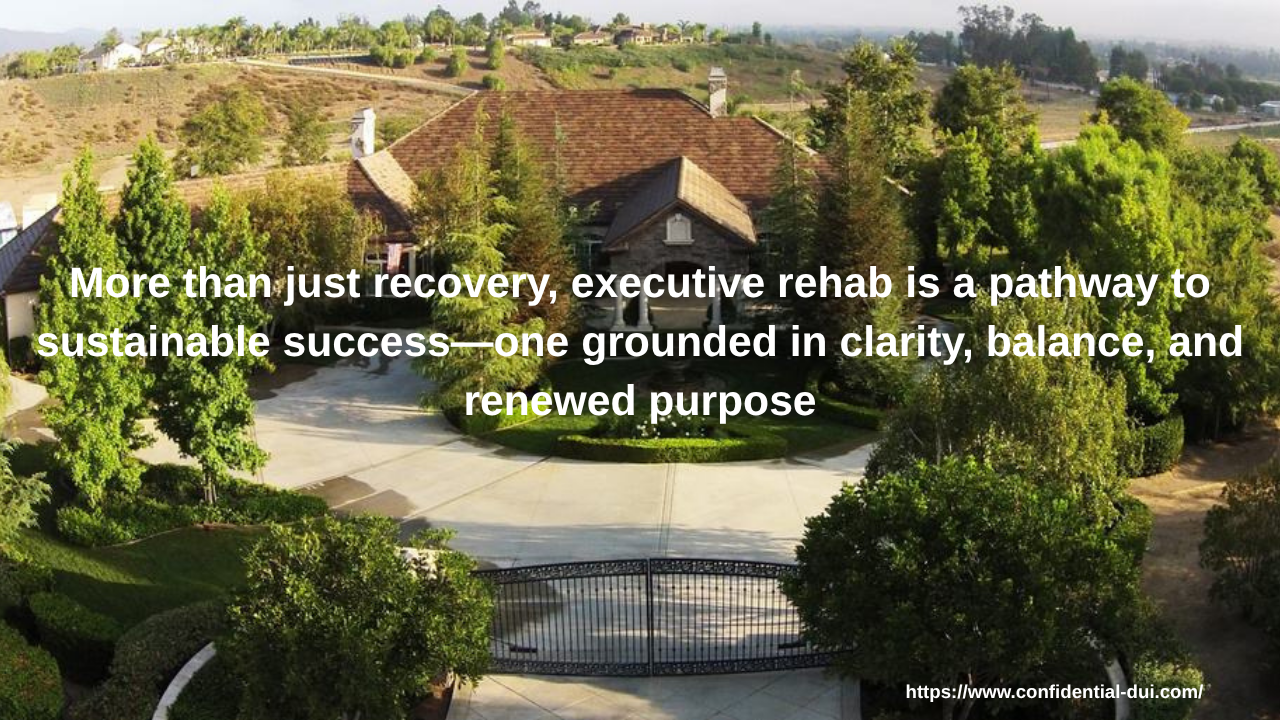
Executive rehabs are typically located in secluded, upscale environments—beachfront villas, mountain lodges, or private estates—where clients can heal away from public scrutiny. Confidentiality is a top priority, allowing clients to recover without compromising their reputation.

2. Individualized, Intensive Treatment

Each client undergoes a thorough assessment to develop a personalized treatment plan that addresses both addiction and the underlying causes, such as stress, trauma, or unprocessed emotional pain. Therapy may include cognitive behavioral therapy (CBT), trauma-informed care, and executive coaching.

3. Flexibility for Professional Obligations

Unlike traditional programs, executive rehab centers offer flexible scheduling and access to business tools. Clients may attend therapy sessions around important work meetings, and secure internet access allows them to remain involved in urgent decision-making.

4. Burnout Recovery Strategies

Executive rehab doesn’t stop at addiction. It incorporates comprehensive strategies for managing stress, rebuilding energy, and preventing relapse. Clients learn mindfulness, emotional regulation, and time management to avoid future burnout.

5. Holistic Health and Wellness

Healing the mind also means healing the body. Programs often include yoga, meditation, massage, fitness training, sleep therapy, and nutritional counseling—restoring physical health and overall balance.

Conclusion

Executive rehab programs offer a lifeline for leaders who are silently battling burnout and addiction. With specialized care that respects their responsibilities and lifestyle, these programs help clients rebuild their health without stepping away from who they are. More than just recovery, executive rehab is a pathway to sustainable success—one grounded in clarity, balance, and renewed purpose.
Breaking the Cycle: How Executive Rehab Tackles Burnout and Addiction Together

For high-level executives, CEOs, and entrepreneurs, the line between success and self-destruction can be dangerously thin. The pressure to lead, meet deadlines, close deals, and constantly perform at the highest level often leads to chronic stress and burnout. In many cases, this prolonged stress triggers unhealthy coping mechanisms, including alcohol, stimulants, or prescription drug use. Over time, what starts as a way to stay productive or unwind becomes a vicious cycle of burnout and addiction.

Executive rehab programs are designed to break this cycle. Unlike traditional treatment centers, these specialized facilities recognize that addiction among high achievers often stems from work-related stress and exhaustion. They offer comprehensive care that addresses both burnout and substance abuse simultaneously, creating a path to real recovery.

Understanding the Burnout-Addiction Connection

Burnout is more than just feeling tired—it’s a state of emotional, mental, and physical exhaustion caused by prolonged stress. Executives are particularly vulnerable due to the constant demands of leadership. Burnout often manifests as:

  • Chronic fatigue
  • Anxiety and depression
  • Loss of motivation
  • Feelings of isolation
  • Poor decision-making

To combat these symptoms, many leaders turn to alcohol, prescription medications like benzodiazepines or stimulants, or other substances to push through the day. Unfortunately, this leads to dependency, compounding the stress and creating a destructive cycle that is difficult to break without professional help.

How Executive Rehab Programs Address Both Issues

Executive rehab centers offer specialized treatment plans that focus on the root causes of addiction, including burnout, stress, and leadership pressure. Here’s how they approach the problem:

1. Comprehensive Assessments

Treatment begins with a full evaluation of the client’s mental, physical, and emotional health. This helps clinicians develop a personalized care plan that addresses both substance use and the underlying stressors that fuel it.

2. Stress and Burnout Management

Executives are taught healthier ways to cope with stress. Through therapy, mindfulness practices, and resilience coaching, they learn how to set boundaries, delegate tasks, and manage high-stakes environments without self-destructive behaviors.

3. Tailored Therapy and Coaching

Individual therapy sessions focus on trauma, anxiety, perfectionism, and the intense pressure to succeed. Leadership coaching is often included to help clients rebuild their confidence and return to work with a healthier mindset.

4. Flexibility and Privacy

These programs are designed with the executive lifestyle in mind. Clients have access to private workspaces, secure internet connections, and flexible scheduling so they can stay involved in essential business matters during treatment—without compromising their recovery.

5. Holistic Healing

Burnout recovery is not just mental—it’s physical. Executive rehab programs include fitness training, yoga, meditation, nutritional guidance, and sleep therapy to restore overall health and vitality.

The Long-Term Solution

Executive rehab is not just about detoxifying from substances—it’s about breaking the cycle of burnout and addiction for good. By treating both issues together, executives can return to their roles with renewed energy, improved decision-making, and a sustainable work-life balance.

Conclusion

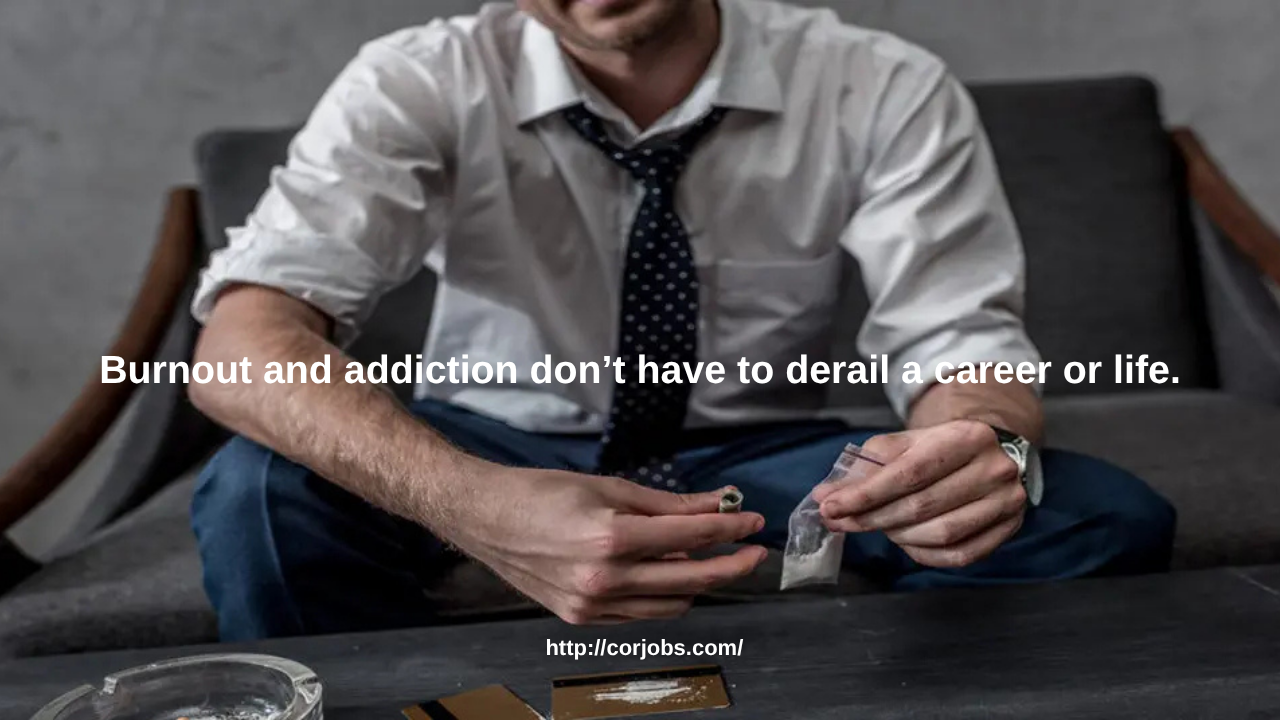
Burnout and addiction don’t have to derail a career or life. With the right support, executives can heal, recover, and lead from a place of strength and clarity. Executive rehab programs provide the tools to do just that—helping leaders break free from the cycle and build a healthier futur

Success Without Substance: The Role of Executive Rehab in Leadership Recovery

Behind the polished appearance of success, many business leaders and high-powered professionals silently battle personal struggles. Addiction and mental health challenges do not discriminate by status or income—and for CEOs, executives, and entrepreneurs, the pressure to perform can sometimes lead to dangerous coping mechanisms. Alcohol, prescription medications, and stimulants become tools to push through stress, long hours, and isolation. However, true leadership and sustainable success require clarity, health, and balance. This is where executive rehab plays a vital role in helping leaders rediscover their strength without relying on substances.

The Hidden Cost of Leadership

Leadership at the highest level often means shouldering immense responsibilities. Executives are expected to make high-stakes decisions, lead teams, manage financial pressures, and maintain a constant image of control and success. Over time, this relentless demand can lead to chronic stress, burnout, anxiety, and eventually, substance use.

What starts as a drink to unwind after a long day or a stimulant to stay sharp in meetings can gradually evolve into dependency. Unfortunately, many executives delay seeking help out of fear—fear of damaging their reputation, losing investor trust, or showing perceived weakness. That delay only deepens the problem.

How Executive Rehab Supports Leadership Recovery

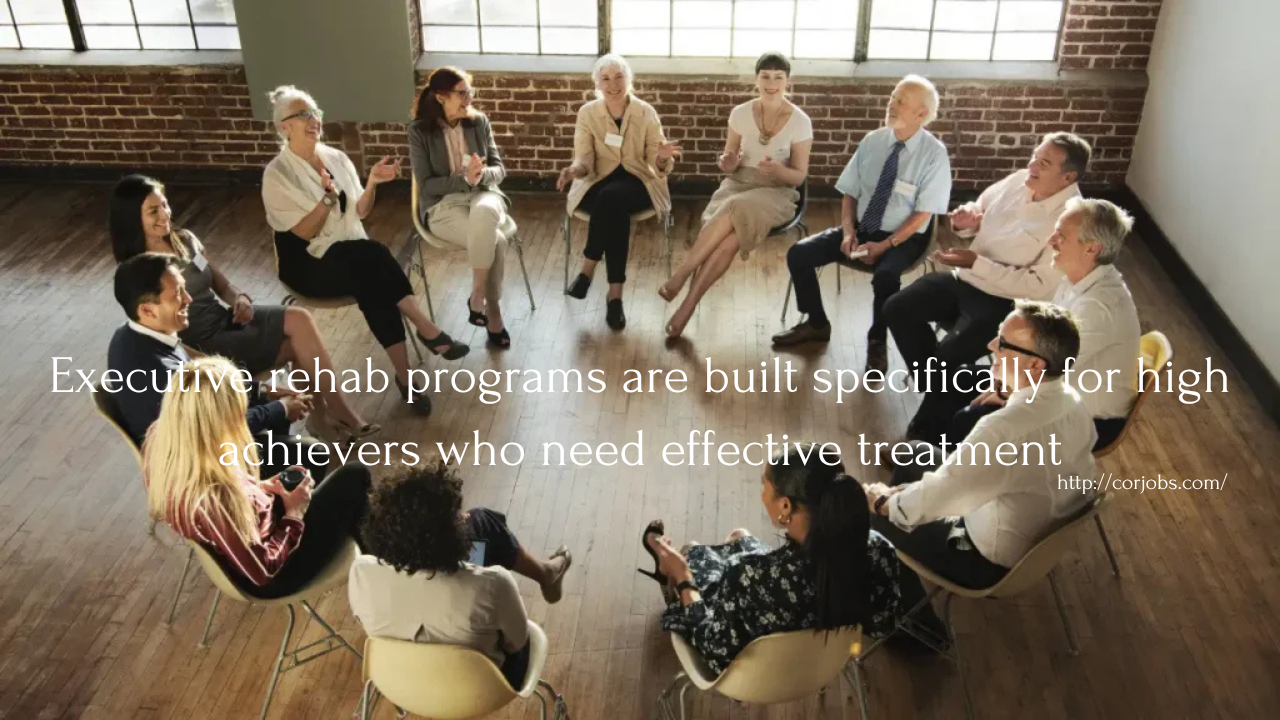
Executive rehab programs are built specifically for high achievers who need effective treatment without stepping away from their roles completely. These programs offer more than just sobriety—they offer restoration of leadership capacity, personal growth, and long-term tools for wellness. Here’s how:

1. Personalized and Discreet Treatment

Executive rehab facilities provide highly confidential environments, often in secluded and luxurious settings, ensuring privacy for clients. Treatment plans are tailored to the unique needs of leaders, taking into account the pressures and lifestyle that come with executive-level positions.

2. Flexible Integration with Work

Many leaders can’t afford to go off the grid for a month. Executive rehab centers understand this and offer flexible schedules, private workspaces, and secure internet access. This allows clients to stay connected with their teams while focusing on recovery.

3. Leadership-Focused Therapy

Beyond standard addiction treatment, executive programs often incorporate therapy that addresses issues specific to leadership—such as imposter syndrome, chronic stress, perfectionism, and decision fatigue. Clients work with therapists and executive coaches to build healthier ways to lead, cope, and thrive.

4. Whole-Person Healing

True recovery is about more than detoxing—it’s about healing mentally, emotionally, and physically. Executive rehab includes wellness strategies such as mindfulness, yoga, fitness programs, nutrition planning, and life coaching to promote long-term balance and clarity.

Redefining Success

Perhaps the most powerful outcome of executive rehab is a redefinition of success. Clients come to understand that peak performance does not require self-sacrifice or substance use. Real leadership is built on resilience, emotional intelligence, and the ability to make clear decisions under pressure.

Executive rehab equips leaders not only to overcome addiction but to return to their roles stronger, more grounded, and with a renewed sense of purpose. It proves that success doesn’t need to be fueled by substances—it can thrive on health, balance, and authenticity.

Conclusion

Executive rehab is more than a retreat from addiction—it’s a strategic investment in a leader’s long-term success. By offering discreet, customized care, these programs help professionals reclaim their lives, their leadership, and a version of success that’s no longer tied to substance use, but rooted in true well-being.