Uncategorized

Executive Rehab Uncovered: How Leaders Can Overcome Burnout and Addiction

In today’s high-pressure corporate world, executives and leaders are often admired for their drive, focus, and ability to deliver results. Behind the scenes, however, many face extreme stress, chronic burnout, and the risk of developing substance use disorders. Balancing professional responsibilities with personal well-being can feel impossible. Executive rehab programs provide a specialized, compassionate solution that addresses both burnout and addiction, helping leaders regain control of their health and their careers.

Understanding Executive Burnout and Addiction

The Hidden Challenges of Leadership

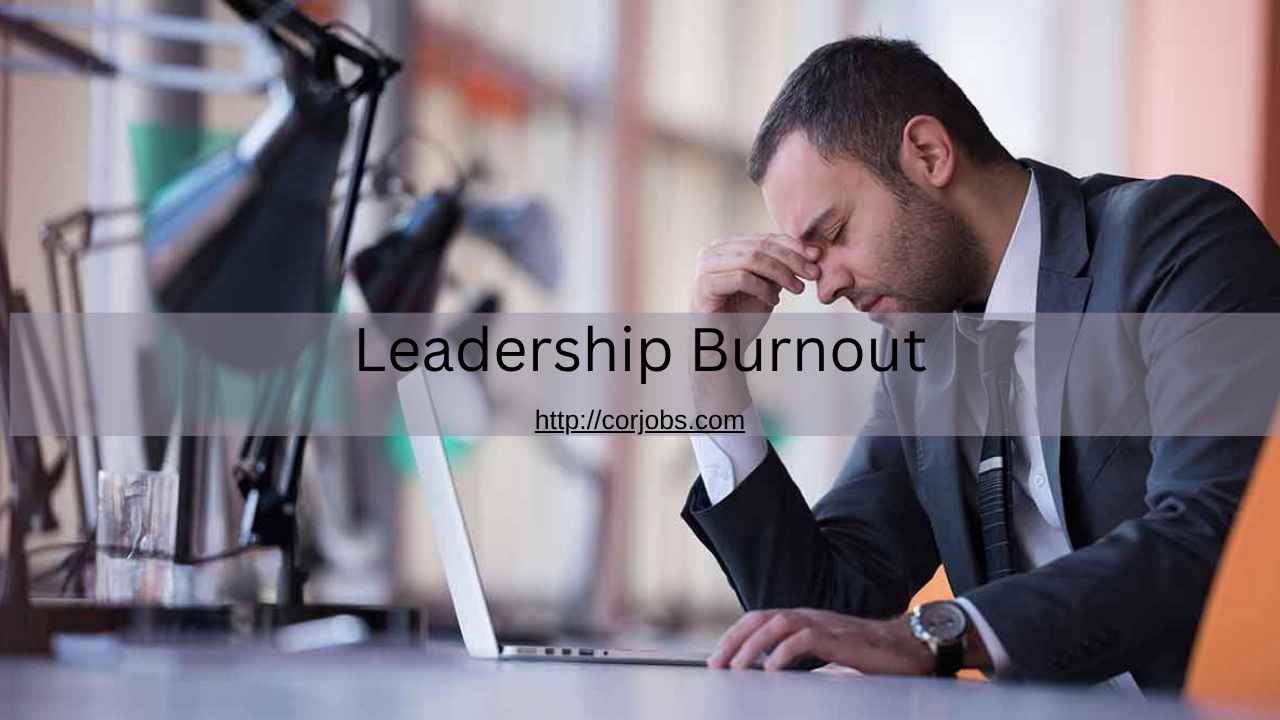
High-performing professionals experience stress on a scale that most people never see. Long work hours, constant decision-making, and the pressure to maintain a public image contribute to mental and physical fatigue. Over time, this environment can lead to burnout, characterized by exhaustion, irritability, reduced motivation, and emotional detachment.

Substance Use as a Coping Mechanism

In an attempt to manage stress, some executives turn to alcohol, prescription medications, or stimulants. While these substances may provide temporary relief, they often worsen burnout and create dependency. The combination of career stress and substance use can lead to a dangerous cycle that impacts health, relationships, and professional performance. Executive rehab programs are designed to break this cycle with targeted, holistic care.

What Makes Executive Rehab Different

Individualized Treatment Plans

Every leader’s experience with burnout and addiction is unique. Executive rehab centers begin with a thorough assessment to create personalized treatment plans that address both substance use and the underlying stressors contributing to burnout. Plans often include one-on-one therapy, mental health counseling, and coaching to restore balance and resilience.

Integrated Mental Health Care

Mental health challenges such as anxiety, depression, and trauma often coexist with addiction. Executive rehab provides dual-diagnosis treatment, addressing both addiction and mental health concerns. Clinicians use evidence-based therapies, including cognitive-behavioral therapy, mindfulness techniques, and emotional regulation strategies, to promote long-term wellness.

Holistic and Faith-Based Approaches

Recovery is most effective when it nurtures the mind, body, and spirit. Executive rehab programs frequently offer holistic therapies such as yoga, meditation, fitness programs, and nutrition guidance. Faith-based options are also available for clients seeking spiritual support. These practices not only aid in recovery but also teach executives sustainable methods for managing stress and enhancing well-being.

Confidentiality and Professional Flexibility

For high-profile clients, privacy is essential. Executive rehab centers provide discreet care with private accommodations, secure communication options, and flexible scheduling. This allows executives to engage fully in recovery without compromising professional obligations or public reputation.

Sustainable Recovery for Long-Term Success

Executive rehab programs focus on building resilience for life beyond treatment. Leaders learn practical strategies to manage stress, establish boundaries, and maintain healthy habits. Follow-up care, including therapy, coaching, and peer support networks, ensures clients can sustain recovery while returning to their roles with renewed focus and clarity.

Conclusion

Executive burnout and addiction are serious challenges, but recovery is possible with the right support. Executive rehab offers personalized, holistic, and confidential care designed to address the unique needs of high-level professionals. By treating both the causes and symptoms of burnout-driven addiction, these programs help leaders regain balance, health, and professional effectiveness.

If you are an executive struggling with stress, burnout, or substance use, taking the first step toward recovery is an act of strength. Reach out today to explore how an executive rehab program can help you reclaim your life, restore your well-being, and achieve sustainable success.

The CEO Recovery Model: How Executive Rehab Combines Burnout Relief with Addiction Treatment

For many CEOs, executives, and business leaders, success often carries a heavy personal cost. Long hours, relentless decision-making, and constant pressure to perform can take a toll on both physical and mental health. When stress leads to burnout, and burnout leads to substance use, the consequences can be life-altering. Traditional addiction treatment programs may not address the unique challenges faced by high-level professionals. That is where executive rehab programs come in, offering a specialized, holistic approach that integrates burnout recovery with addiction treatment.

Understanding the CEO Lifestyle and Its Risks

The Hidden Strain of Leadership

Behind every successful organization is a leader managing immense pressure. CEOs and executives are responsible for guiding teams, satisfying stakeholders, and making decisions that impact many lives. This constant state of high alert can lead to chronic stress and emotional exhaustion. Over time, that stress can manifest as burnout, characterized by fatigue, irritability, loss of motivation, and a decline in mental well-being.

When Coping Turns into Addiction

To manage stress and maintain performance, some leaders turn to alcohol, prescription medications, or stimulants. At first, these substances may seem to help with focus or relaxation, but dependency can develop quickly. The intersection of burnout and addiction can be devastating, affecting judgment, relationships, and long-term health. Executive rehab programs are designed to address both issues simultaneously, helping leaders rebuild balance and purpose in their lives.

The CEO Recovery Model Explained

An Integrated Approach to Healing

The CEO Recovery Model is a comprehensive method that recognizes the connection between stress, burnout, and addiction. Treatment begins with an in-depth assessment of each client’s physical, emotional, and professional challenges. From there, individualized treatment plans are developed to address both substance use and the underlying causes of burnout. This dual-focus ensures that recovery is not just about getting sober, but about restoring overall well-being.

Holistic and Faith-Based Healing Options

Executive rehab programs incorporate a range of holistic therapies that nurture the mind, body, and spirit. These may include yoga, meditation, fitness training, nutritional counseling, and mindfulness practices. For clients seeking spiritual guidance, faith-based support provides an additional layer of meaning and strength. These practices help executives reconnect with themselves, manage stress in healthier ways, and rediscover balance.

Confidential and Flexible Treatment Environments

Privacy is paramount for high-level professionals. Executive rehab centers are designed to offer confidential care that allows clients to recover without jeopardizing their careers or reputations. Many programs also accommodate limited work communication, allowing participants to maintain essential business operations while focusing on recovery. This flexibility makes it possible for leaders to prioritize their health without stepping away entirely from their responsibilities.

Addressing Mental Health Alongside Addiction

Burnout and addiction rarely exist in isolation. Anxiety, depression, and other emotional struggles often play a key role. Executive rehab programs utilize dual-diagnosis treatment, addressing mental health conditions in tandem with addiction. Through individual therapy, group support, and stress management strategies, clients build tools for resilience and long-term recovery.

Sustainable Recovery for High-Performing Professionals

The CEO Recovery Model is not a quick fix. It is a sustainable path to healing that helps executives redefine success and restore balance in all aspects of life. By focusing on emotional health, physical wellness, and personal fulfillment, leaders can emerge from recovery with renewed clarity, stronger relationships, and a healthier approach to their work and purpose.

Conclusion

Even the most accomplished professionals need support. The pressures of leadership can quietly lead to burnout and addiction, but recovery is possible with the right care. Executive rehab programs provide a comprehensive, confidential, and compassionate solution that treats both the causes and symptoms of burnout-driven addiction.

If you are an executive or professional struggling under the weight of success, it is never too late to seek help. Reach out today to learn how an executive rehab program can help you regain balance, rebuild your strength, and lead with renewed clarity and confidence.

When Success Takes a Toll: Inside Executive Rehab’s Dual Approach to Burnout and Addiction

In the competitive world of business and leadership, success is often celebrated as the ultimate achievement. Yet behind the closed doors of executive offices, many leaders quietly struggle with a darker reality: burnout and addiction. The constant demand to perform, make high-stakes decisions, and maintain an image of control can take an immense toll on both mental and physical health. When stress and substance use intersect, it creates a complex challenge that requires more than a standard recovery program. Executive rehab centers offer a dual approach that treats both burnout and addiction with precision, compassion, and discretion.

Understanding the Link Between Burnout and Addiction

The Hidden Cost of High Achievement

Executives are trained to lead under pressure, but prolonged exposure to stress can lead to emotional exhaustion, detachment, and a loss of motivation — all hallmarks of burnout. For many professionals, these symptoms are masked by a relentless drive to keep going. To manage stress, some turn to alcohol, prescription medications, or stimulants to sustain their performance. Over time, what began as a coping mechanism can develop into a dependency that quietly erodes health, relationships, and productivity.

The Cycle of Stress and Substance Use

Burnout and addiction are deeply connected. Chronic stress alters brain chemistry, reducing the body’s ability to regulate mood and motivation. Substance use may temporarily relieve tension, but it ultimately intensifies the underlying emotional and physical fatigue. Breaking this cycle requires a comprehensive treatment model that addresses both the substance use and the professional stressors fueling it.

How Executive Rehab Centers Address Both Challenges

Personalized, Dual-Focused Treatment

Executive rehab programs recognize that burnout and addiction are intertwined. Treatment begins with a thorough assessment to identify the root causes of both issues. From there, clinicians develop individualized care plans that integrate addiction recovery with stress management, emotional regulation, and mental health therapy. This ensures that both the symptoms and the sources of distress are treated effectively.

Integrated Mental Health and Recovery Services

Many executives struggle with co-occurring conditions such as anxiety, depression, or trauma. A dual-diagnosis approach treats these conditions alongside addiction, ensuring lasting healing. Through cognitive-behavioral therapy, mindfulness training, and emotional resilience coaching, clients learn healthier ways to cope with professional demands and prevent relapse.

Holistic and Faith-Based Healing Options

Executive rehab centers often emphasize holistic and faith-based healing to restore balance in all aspects of life. Programs may include yoga, meditation, nutritional therapy, and physical fitness, helping the body recover from prolonged stress. Faith-based options are available for clients seeking spiritual renewal and connection during recovery. This integrated approach fosters both inner peace and long-term wellness.

Confidentiality and Professional Support

For high-profile clients, privacy is essential. Executive rehab centers are designed to provide confidential, discreet environments, where clients can focus on recovery without fear of exposure. Many facilities also offer private accommodations, limited access to communication for essential work tasks, and executive coaching to support reintegration into professional life.

Building a Sustainable Path Forward

The ultimate goal of executive rehab is not only to achieve sobriety but also to redefine success. Recovery involves learning how to balance ambition with well-being, productivity with rest, and leadership with vulnerability. Clients leave with practical tools to manage stress, set boundaries, and maintain healthy habits that support both personal and professional growth.

Conclusion

Success should never come at the expense of health and peace of mind. When burnout and addiction begin to affect your life, taking action is a sign of strength, not weakness. Executive rehab programs offer the specialized care needed to heal both the body and mind, helping leaders recover, rebuild, and rediscover purpose.

If you or someone you know is struggling under the weight of professional stress and substance use, reach out today to learn how an executive rehab program can provide the balanced, confidential, and compassionate support needed for lasting recovery.

Balancing Wellness and Work: The Executive Rehab Solution to Burnout and Substance Abuse

In the world of high-level leadership, success often comes at a cost. Executives, entrepreneurs, and other high-performing professionals frequently face chronic stress, long work hours, and intense decision-making responsibilities. Over time, these pressures can lead to burnout, anxiety, and even substance abuse. For many leaders, the struggle is compounded by the need to maintain professional performance while addressing personal health. Executive rehab programs provide a comprehensive solution, combining addiction recovery, mental health treatment, and holistic care designed specifically for high-pressure careers.

Understanding Burnout and Its Impact on Executives

The High Stakes of Leadership

Burnout is more than exhaustion. It is a persistent state of mental, emotional, and physical fatigue caused by prolonged stress. Executives often experience:

  • Chronic fatigue and insomnia
  • Heightened anxiety and irritability
  • Reduced motivation and focus
  • Physical symptoms such as headaches or digestive issues
  • Dependency on substances to maintain performance

These symptoms can significantly affect personal health and professional effectiveness. When substance use enters the picture, burnout and addiction reinforce each other, creating a cycle that is difficult to break without specialized support.

Why Substance Abuse Often Follows Burnout

High-performing professionals may turn to alcohol, prescription medications, or stimulants to cope with stress or maintain productivity. While these solutions may provide temporary relief, they increase the risk of dependency, complicating recovery and threatening long-term well-being. Recognizing this connection is critical for effective treatment.

How Executive Rehab Centers Provide a Tailored Solution

Personalized Treatment Plans

Executive rehab programs begin with a thorough evaluation to understand each client’s unique challenges. Treatment plans are fully customized, addressing both substance use and the underlying stressors associated with leadership. Therapy may include individual counseling, mental health support, and executive coaching, all designed to restore balance in both personal and professional life.

Integrated Mental Health Support

Many executives struggle with co-occurring mental health conditions such as anxiety, depression, or trauma. Executive rehab programs provide dual-diagnosis treatment, ensuring that both addiction and underlying emotional issues are addressed. This approach equips clients with healthier coping strategies and reduces the likelihood of relapse.

Holistic and Faith-Based Care

Recovery is most effective when it targets the mind, body, and spirit. Executive rehab programs often include holistic therapies such as yoga, meditation, fitness training, and nutritional counseling. For clients seeking spiritual support, faith-based programs are available to provide additional guidance. These approaches help executives restore energy, focus, and emotional resilience.

Confidentiality and Professional Flexibility

Discretion is essential for high-profile clients. Executive rehab centers provide private accommodations, secure communication options, and flexible scheduling, allowing clients to manage critical work responsibilities while fully engaging in recovery. This balance ensures that executives can commit to treatment without compromising their careers or reputations.

Achieving Sustainable Recovery

Executive rehab programs focus on long-term wellness rather than short-term sobriety. Clients learn strategies to manage stress, set boundaries, and maintain balance in demanding professional environments. Ongoing support, including follow-up therapy and executive coaching, helps leaders sustain recovery and prevent relapse, empowering them to thrive in both life and work.

Conclusion

Burnout and substance abuse are serious challenges for high-performing professionals, but recovery is possible with the right support. Executive rehab programs offer customized, holistic, and discreet care, addressing both the pressures of leadership and the underlying causes of addiction. By balancing wellness and work, these programs empower executives to regain health, clarity, and professional effectiveness.

If you are an executive struggling with burnout or substance use, taking the first step toward recovery can transform your life. Reach out today to explore how an executive rehab program can help you restore balance, reclaim your well-being, and achieve sustainable success.

More Than Sobriety: Healing Burnout and Addiction in Executive Rehab Centers

For executives and high-performing professionals, success often comes with immense pressure. Long hours, high-stakes decision-making, and constant public scrutiny can lead to chronic stress and burnout. Many leaders turn to alcohol, prescription medications, or stimulants to cope, creating a cycle where addiction and professional stress feed one another. Breaking this cycle requires more than traditional rehab. Executive rehab centers provide specialized, holistic care designed to address both substance use and the unique challenges of high-level leadership.

Understanding Burnout and Its Role in Addiction

The Hidden Strain of Leadership

Burnout is not just fatigue. It is a persistent state of emotional, mental, and physical exhaustion caused by prolonged stress. Executives often face pressures that extend beyond the office, including boardroom responsibilities, stakeholder expectations, and maintaining a personal image of competence. Over time, these pressures can contribute to anxiety, depression, and unhealthy coping strategies, including substance use.

Why Executives Are Particularly Vulnerable

High-performing professionals are often conditioned to push through stress without seeking help. This “always-on” mindset can make executives especially vulnerable to addiction. Substance use may start as a method to improve focus or manage stress but can quickly evolve into dependency. Without targeted intervention, both the individual and their career can suffer serious consequences.

How Executive Rehab Centers Approach Recovery

Personalized Treatment Plans

Executive rehab programs begin with a thorough assessment of each client’s physical, emotional, and professional circumstances. This evaluation informs a customized treatment plan that addresses addiction while also considering career pressures, mental health needs, and personal goals. One-on-one therapy, mental health counseling, and executive coaching are often combined to create a fully integrated approach.

Integrated Mental Health Services

Addiction rarely exists in isolation. Executive rehab centers provide dual-diagnosis treatment, addressing co-occurring conditions such as anxiety, depression, and stress-related disorders. This ensures that clients develop strategies to manage both their substance use and the underlying causes of burnout.

Holistic and Faith-Based Care

Recovery is most effective when it addresses the mind, body, and spirit. Many executive rehab programs offer holistic therapies including yoga, meditation, nutritional guidance, and fitness routines. Faith-based options may also be available for clients seeking spiritual support. These approaches promote long-term wellness, resilience, and balance, helping executives maintain sobriety while improving overall quality of life.

Privacy and Professional Flexibility

Confidentiality is critical for high-profile clients. Executive rehab centers provide private accommodations, secure communication channels, and flexible scheduling to accommodate essential work obligations. This allows clients to commit fully to recovery without compromising their professional responsibilities or reputation.

Sustainable Recovery for Long-Term Success

Executive rehab is designed to go beyond immediate sobriety. Clients learn stress management, healthy coping mechanisms, and strategies to prevent relapse. Ongoing support may include follow-up counseling, executive coaching, and peer support networks tailored to high-performing professionals. This long-term perspective empowers leaders to regain control over their personal and professional lives.

Conclusion

Recovery in executive rehab centers is more than abstaining from substances. It is about healing burnout, restoring balance, and building resilience. By combining individualized care, mental health support, holistic therapies, and professional flexibility, these programs provide a comprehensive path to sustainable recovery.

If you are an executive struggling with addiction or burnout, taking the first step toward recovery is critical. Reach out today to explore how an executive rehab program can help you achieve not only sobriety but also renewed health, clarity, and professional empowerment.

Leadership Under Pressure: How Executive Rehab Treats Both Addiction and Career Stress

For executives, entrepreneurs, and high-level leaders, success comes with high stakes. The pressure to perform, make critical decisions, and maintain a public image can be relentless. While these responsibilities define leadership, they also contribute to stress, burnout, and, in some cases, substance use. Many executives turn to alcohol, prescription medications, or stimulants to cope, creating a dangerous cycle where career pressure and addiction feed one another. Recognizing this complex challenge, executive rehab programs provide specialized care that addresses both addiction and career-related stress, helping leaders regain balance and achieve sustainable recovery.

The Unique Challenges of Leadership and Addiction

High-Stress Environments Fuel Risk

Executives often face intense workloads, constant decision-making, and high expectations from stakeholders, employees, and clients. This stress is not limited to work hours; it permeates every aspect of life. Over time, the constant pressure can lead to emotional exhaustion, anxiety, and physical health issues. Substance use sometimes emerges as a coping mechanism, providing temporary relief but ultimately creating additional challenges for both personal and professional well-being.

Barriers to Traditional Rehab

Traditional rehab programs are often structured around a generic model that does not account for the professional demands of executives. Stepping away from leadership responsibilities can feel impossible, and concerns about privacy, reputation, and career impact may prevent leaders from seeking help. Executive rehab programs are designed specifically to overcome these barriers, offering discreet, flexible, and tailored solutions.

How Executive Rehab Programs Address Dual Challenges

Individualized Treatment Plans

Every executive’s experience with addiction and stress is unique. Executive rehab centers begin with a comprehensive assessment to identify the root causes of both substance use and career-related stress. Based on this evaluation, clinicians create a personalized treatment plan that may include one-on-one therapy, mental health counseling, and holistic interventions designed to restore balance.

Integrated Mental Health Support

Burnout, anxiety, and depression are common among high-pressure professionals. Executive rehab programs provide integrated mental health care alongside addiction treatment. Therapies may include cognitive-behavioral therapy, mindfulness-based stress reduction, trauma-informed care, and faith-based counseling for clients who seek spiritual guidance. This dual approach ensures that both the addiction and the underlying emotional stress are addressed.

Holistic Wellness Programs

Healing the body is as important as healing the mind. Executive rehab programs often incorporate holistic therapies such as yoga, meditation, nutritional guidance, and fitness routines. These interventions support physical health, improve emotional resilience, and teach leaders sustainable stress management techniques.

Privacy and Professional Flexibility

Maintaining discretion is critical for high-profile clients. Executive rehab centers provide private accommodations, secure communication channels, and flexible scheduling that allows leaders to manage urgent work matters when necessary. This ensures that executives can engage fully in recovery without compromising their professional responsibilities or reputation.

Long-Term Strategies for Sustained Recovery

Executive rehab is designed not only to treat immediate addiction and stress but also to equip leaders with long-term tools for success. Clients learn strategies for setting boundaries, delegating responsibilities, and managing stress proactively. Ongoing support may include follow-up therapy, executive coaching, and access to peer recovery networks to help maintain balance and prevent relapse.

Conclusion

Leadership under pressure comes with unique challenges, and executive rehab recognizes the need for a specialized, compassionate approach. By addressing both addiction and career-related stress, these programs provide personalized, holistic, and discreet care that empowers executives to recover fully and return to their roles with renewed clarity, resilience, and balance.

If you are a leader struggling with the dual pressures of addiction and career stress, reaching out to an executive rehab program can be the first step toward a healthier, more balanced life. Take the next step today and reclaim your well-being and professional purpose.

Custom Recovery: How Executive Rehab Programs Address Burnout-Driven Addiction

High-level professionals are often celebrated for their drive, focus, and resilience. Yet behind the accomplishments and success, many executives face hidden struggles. The unrelenting pace of corporate life can lead to burnout, and in many cases, individuals turn to substances as a way to cope. Burnout-driven addiction is a growing concern among business leaders, and traditional recovery programs may not always address the unique challenges these individuals face. This is where executive rehab programs step in, offering customized, compassionate, and effective care designed specifically for high-performing professionals.

Understanding Burnout-Driven Addiction

The Link Between Stress and Substance Use

Burnout is more than simple exhaustion. It is a chronic state of physical and emotional depletion caused by prolonged stress. For executives, this stress can come from constant decision-making, demanding schedules, and pressure to maintain success. When stress becomes overwhelming, substances such as alcohol, stimulants, or prescription medications may seem like a solution. Unfortunately, these short-term fixes often fuel long-term addiction.

Why Executives Are at Greater Risk

Executives are often expected to perform without faltering. The fear of failure, combined with a culture that rewards productivity at any cost, places leaders at higher risk of both burnout and substance dependence. Left untreated, this cycle can impact health, relationships, and career stability.

How Executive Rehab Programs Differ

Individualized Treatment Plans

Unlike one-size-fits-all recovery models, executive rehab programs focus on creating tailored treatment plans. Each client undergoes a comprehensive assessment that considers their mental health, substance use history, professional demands, and personal goals. This ensures that every aspect of recovery aligns with the individual’s unique needs.

Integrated Mental Health Care

Burnout and addiction are often intertwined with issues such as anxiety, depression, or trauma. Executive rehab programs prioritize dual-diagnosis treatment, addressing both addiction and underlying mental health conditions. This approach provides clients with tools to manage stress effectively and build healthier coping mechanisms.

Holistic and Faith-Based Options

Many executive rehab centers recognize that recovery involves healing the whole person. Services may include yoga, meditation, nutritional counseling, and fitness programs. For those who find strength in spirituality, faith-based therapies can provide an additional layer of support. These holistic approaches complement clinical care, helping executives achieve balance in body, mind, and spirit.

Privacy and Professional Flexibility

Confidentiality is critical for leaders who worry about their reputation or business responsibilities. Executive rehab programs provide discreet environments, private accommodations, and in some cases, access to secure communication tools. This allows clients to remain engaged with essential work matters while still prioritizing recovery.

Building Empowerment Through Recovery

The ultimate goal of executive rehab is not just to end substance use but to empower leaders to create sustainable change. By learning healthier ways to manage stress, setting boundaries, and restoring balance, executives can return to their professional roles with renewed clarity and resilience. Recovery becomes not only about overcoming addiction but also about reclaiming personal well-being and professional purpose.

Conclusion

Burnout-driven addiction is a serious challenge that demands a specialized and compassionate approach. Executive rehab programs provide customized treatment that addresses both the pressures of leadership and the realities of substance use. Through individualized care, integrated mental health treatment, and holistic healing, executives can move from exhaustion to empowerment.

If you or someone you know is struggling with burnout and addiction, now is the time to seek help. Reaching out to a trusted executive rehab program can be the first step toward a healthier, more balanced future. You do not have to face this journey alone. Support is available, and recovery is possible.

From Exhaustion to Empowerment: Executive Rehab’s Approach to Burnout Recovery

In the world of high-level leadership, burnout is more than fatigue. It is a persistent state of emotional, mental, and physical exhaustion that can quietly erode health, productivity, and personal relationships. For executives and high-performing professionals, this stress often coincides with substance use as a coping mechanism, creating a dangerous cycle of burnout and addiction. Recognizing the unique pressures faced by leaders, executive rehab programs offer a tailored approach to recovery, combining addiction treatment, mental health support, and holistic care designed to restore balance and empower clients to thrive.

Understanding Executive Burnout

What Burnout Looks Like at the Executive Level

Burnout among executives often manifests differently than in the general population. Symptoms can include:

  • Chronic fatigue and insomnia
  • Heightened anxiety and irritability
  • Decreased motivation and focus
  • Physical issues such as headaches, digestive problems, or weakened immunity
  • Dependency on alcohol, stimulants, or prescription drugs to maintain performance

These signs can indicate not only exhaustion but also the early stages of addiction. Without timely intervention, burnout can spiral into long-term health complications and impaired decision-making, affecting both personal and professional life.

The Connection Between Stress and Addiction

Executives often face unrelenting pressure to perform, meet deadlines, and manage complex responsibilities. To cope, some turn to substances for temporary relief or enhanced focus. While this strategy may offer short-term benefits, it rarely addresses the underlying causes of burnout. Executive rehab programs recognize this connection and provide comprehensive care that targets both stress and substance use.

How Executive Rehab Differs from Traditional Programs

Personalized Treatment Plans

Executive rehab programs are designed with the individual in mind. Each client undergoes a thorough assessment to create a customized recovery plan that addresses addiction, mental health needs, and the professional pressures contributing to burnout. This approach ensures that treatment is relevant, effective, and respectful of the client’s lifestyle.

Integrated Mental Health Support

Addressing burnout requires more than detox. Executive rehab incorporates therapy, counseling, and mental health services to tackle anxiety, depression, and work-related stress. Clinicians may use cognitive-behavioral therapy, mindfulness training, or faith-based support, depending on the client’s preferences and needs.

Holistic and Wellness-Focused Care

Healing the mind also involves caring for the body. Programs often include yoga, meditation, fitness training, nutritional guidance, and sleep therapy. These therapies support physical health, enhance emotional resilience, and teach executives strategies to manage stress effectively once they return to their daily routines.

Privacy and Professional Flexibility

Confidentiality is critical for high-profile clients. Executive rehab programs provide discreet environments, private accommodations, and secure communication channels. Many programs also offer flexible scheduling and work accommodations, allowing executives to participate in essential professional responsibilities without compromising recovery.

Empowerment Through Recovery

Executive rehab programs do more than restore health; they provide tools for long-term personal and professional growth. Clients learn strategies to maintain balance, set boundaries, and manage stress proactively. This empowerment allows them to return to leadership roles with renewed clarity, confidence, and sustainable success.

Conclusion

Burnout and addiction are serious challenges that can quietly undermine even the most accomplished leaders. Executive rehab offers a comprehensive, personalized, and discreet path to recovery, addressing both the physical and emotional aspects of burnout. By combining addiction treatment, mental health care, holistic therapies, and professional flexibility, these programs help executives transform exhaustion into empowerment.

If you are a leader struggling with burnout or addiction, taking the first step toward recovery can protect your health, your career, and your future. Reach out today to learn how an executive rehab program can help you regain balance and achieve sustainable success.

High Stakes, High Stress: Why Executive Rehab Is Different from Traditional Treatment

In the demanding world of high-level leadership, stress is not an occasional visitor—it is a constant companion. For executives, entrepreneurs, and decision-makers, the pressures of running organizations, managing teams, and meeting unrelenting goals can be overwhelming. Unfortunately, this high-stakes environment can lead some to rely on substances as a coping mechanism. While traditional rehab programs help many people find recovery, executive rehab offers a specialized approach designed for individuals whose professional responsibilities and privacy needs require a different level of care.

Understanding the Unique Challenges Executives Face

Addiction at the executive level often develops quietly, fueled by long hours, high stress, and the pressure to maintain a flawless public image. Unlike many people seeking recovery, executives may have added barriers to treatment such as fear of damaging their reputation, losing the trust of their team, or stepping away from critical work projects. These challenges demand a recovery program that not only addresses addiction but also accommodates the realities of a leadership role.

How Executive Rehab Stands Apart

1. Complete Privacy and Confidentiality

High-profile clients often face intense scrutiny. Executive rehab centers are designed to protect their identities and ensure total confidentiality. From private entrances to secluded facilities, every detail is handled with discretion so that clients can focus on healing without fear of exposure.

2. Flexible Treatment Options

Many executives cannot completely step away from work responsibilities. Executive rehab programs often allow for flexible scheduling, secure access to communication tools, and the ability to attend important meetings remotely. This balance makes it possible for leaders to commit to treatment while continuing to oversee essential aspects of their work.

3. Individualized Care Plans

Every executive’s journey to addiction recovery is different. Treatment programs are highly personalized, taking into account the client’s professional obligations, mental health needs, and personal goals. This might include one-on-one therapy, specialized mental health support, or faith-based and holistic approaches tailored to their preferences.

4. Addressing the Root Causes

Executive rehab is not only about breaking free from substance use. It also focuses on addressing the underlying stress, burnout, anxiety, and emotional strain that may have contributed to the addiction. By targeting both the symptoms and the root causes, clients are better equipped to maintain long-term recovery.

5. Holistic Healing and Wellness

A healthy mind needs a healthy body. Many executive rehab programs integrate holistic therapies like yoga, meditation, fitness training, nutritional counseling, and spiritual guidance. These services help restore balance, promote emotional resilience, and rebuild physical health.

Why This Approach Matters

Traditional rehab programs can be highly effective, but for executives, a specialized environment ensures that recovery fits within their professional reality. Without tailored treatment, leaders may feel pressured to leave rehab prematurely or avoid seeking help altogether. Executive rehab removes these barriers, allowing them to recover without sacrificing their responsibilities or their privacy.

Taking the Next Step

If you are a high-level professional facing the dual challenge of addiction and professional pressure, you do not have to choose between your career and your recovery. Executive rehab provides the tools, privacy, and flexibility you need to heal fully while protecting what you have worked so hard to build.

Reach out today to learn how a personalized recovery program can help you take back control of your health, your career, and your future.

Beyond Burnout: The Specialized Care of Executive Rehab Programs

In today’s fast-paced corporate world, high-ranking professionals are expected to perform with precision, resilience, and unrelenting energy. But behind closed boardroom doors, many executives silently struggle with chronic stress, burnout, and substance use. These challenges, often masked by success, can erode both personal well-being and professional performance. This is where executive rehab programs come in—offering care that goes far beyond traditional addiction treatment.

Executive rehab is not simply a luxury version of standard rehab. It’s a tailored approach that understands the complex, high-pressure lifestyle of business leaders, entrepreneurs, and professionals in demanding roles. These programs are uniquely equipped to treat the dual burden of burnout and addiction, helping clients recover while maintaining dignity, privacy, and in some cases, continuity of work.

Understanding Burnout at the Executive Level

Burnout is a state of mental, emotional, and physical depletion brought on by prolonged stress. It’s especially common among high-achievers who face constant deadlines, manage large teams, and carry the weight of high-stakes decision-making. Symptoms include:

  • Exhaustion and insomnia
  • Anxiety or depression
  • Loss of motivation or purpose
  • Physical symptoms like headaches or digestive issues
  • Turning to alcohol, stimulants, or prescription drugs to cope

Left unchecked, burnout often escalates into substance dependence, compounding the problem and making it harder for individuals to seek help without fearing judgment or professional fallout.

What Makes Executive Rehab Different?

Executive rehab centers are designed with a deep understanding of the unique challenges high-level professionals face. Here’s how they stand apart:

1. Discreet and Private Settings

Executive rehabs are typically located in secluded, upscale environments—beachfront villas, mountain lodges, or private estates—where clients can heal away from public scrutiny. Confidentiality is a top priority, allowing clients to recover without compromising their reputation.

2. Individualized, Intensive Treatment

Each client undergoes a thorough assessment to develop a personalized treatment plan that addresses both addiction and the underlying causes, such as stress, trauma, or unprocessed emotional pain. Therapy may include cognitive behavioral therapy (CBT), trauma-informed care, and executive coaching.

3. Flexibility for Professional Obligations

Unlike traditional programs, executive rehab centers offer flexible scheduling and access to business tools. Clients may attend therapy sessions around important work meetings, and secure internet access allows them to remain involved in urgent decision-making.

4. Burnout Recovery Strategies

Executive rehab doesn’t stop at addiction. It incorporates comprehensive strategies for managing stress, rebuilding energy, and preventing relapse. Clients learn mindfulness, emotional regulation, and time management to avoid future burnout.

5. Holistic Health and Wellness

Healing the mind also means healing the body. Programs often include yoga, meditation, massage, fitness training, sleep therapy, and nutritional counseling—restoring physical health and overall balance.

Conclusion

Executive rehab programs offer a lifeline for leaders who are silently battling burnout and addiction. With specialized care that respects their responsibilities and lifestyle, these programs help clients rebuild their health without stepping away from who they are. More than just recovery, executive rehab is a pathway to sustainable success—one grounded in clarity, balance, and renewed purpose.