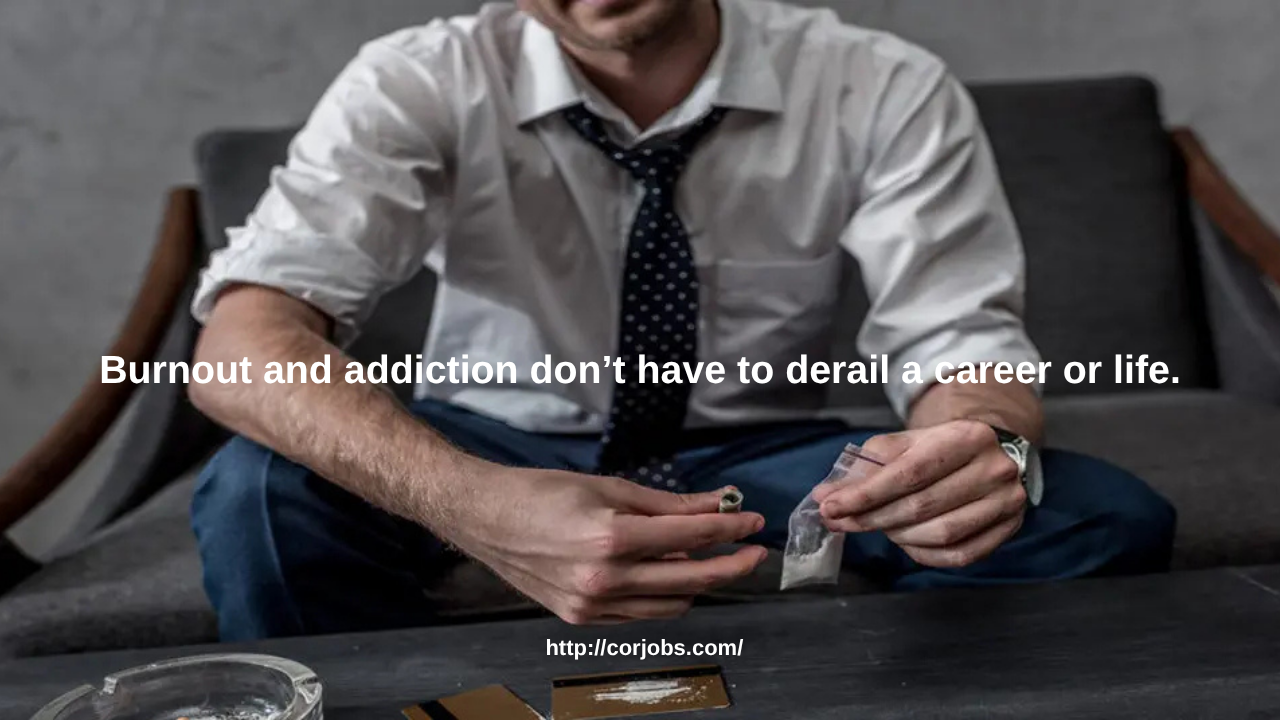
For high-level executives, CEOs, and entrepreneurs, the line between success and self-destruction can be dangerously thin. The pressure to lead, meet deadlines, close deals, and constantly perform at the highest level often leads to chronic stress and burnout. In many cases, this prolonged stress triggers unhealthy coping mechanisms, including alcohol, stimulants, or prescription drug use. Over time, what starts as a way to stay productive or unwind becomes a vicious cycle of burnout and addiction.
Executive rehab programs are designed to break this cycle. Unlike traditional treatment centers, these specialized facilities recognize that addiction among high achievers often stems from work-related stress and exhaustion. They offer comprehensive care that addresses both burnout and substance abuse simultaneously, creating a path to real recovery.
Understanding the Burnout-Addiction Connection
Burnout is more than just feeling tired—it’s a state of emotional, mental, and physical exhaustion caused by prolonged stress. Executives are particularly vulnerable due to the constant demands of leadership. Burnout often manifests as:
- Chronic fatigue
- Anxiety and depression
- Loss of motivation
- Feelings of isolation
- Poor decision-making
To combat these symptoms, many leaders turn to alcohol, prescription medications like benzodiazepines or stimulants, or other substances to push through the day. Unfortunately, this leads to dependency, compounding the stress and creating a destructive cycle that is difficult to break without professional help.
How Executive Rehab Programs Address Both Issues
Executive rehab centers offer specialized treatment plans that focus on the root causes of addiction, including burnout, stress, and leadership pressure. Here’s how they approach the problem:
1. Comprehensive Assessments
Treatment begins with a full evaluation of the client’s mental, physical, and emotional health. This helps clinicians develop a personalized care plan that addresses both substance use and the underlying stressors that fuel it.
2. Stress and Burnout Management
Executives are taught healthier ways to cope with stress. Through therapy, mindfulness practices, and resilience coaching, they learn how to set boundaries, delegate tasks, and manage high-stakes environments without self-destructive behaviors.
3. Tailored Therapy and Coaching
Individual therapy sessions focus on trauma, anxiety, perfectionism, and the intense pressure to succeed. Leadership coaching is often included to help clients rebuild their confidence and return to work with a healthier mindset.
4. Flexibility and Privacy
These programs are designed with the executive lifestyle in mind. Clients have access to private workspaces, secure internet connections, and flexible scheduling so they can stay involved in essential business matters during treatment—without compromising their recovery.
5. Holistic Healing
Burnout recovery is not just mental—it’s physical. Executive rehab programs include fitness training, yoga, meditation, nutritional guidance, and sleep therapy to restore overall health and vitality.
The Long-Term Solution
Executive rehab is not just about detoxifying from substances—it’s about breaking the cycle of burnout and addiction for good. By treating both issues together, executives can return to their roles with renewed energy, improved decision-making, and a sustainable work-life balance.
Conclusion
Burnout and addiction don’t have to derail a career or life. With the right support, executives can heal, recover, and lead from a place of strength and clarity. Executive rehab programs provide the tools to do just that—helping leaders break free from the cycle and build a healthier futur